Handle I-IV
ドアハンドルを題材とした作品群。素材・構造・加工方法を変えながら、それぞれ異なるアプローチによって形態と機能の関係を捉えた。建具としての機能と、壁面に掛けるオブジェとしての在り方の提示。
A series of objects based on the door handle. Through different approaches to materials, structure, and fabrication, each object explores the relationship between form and function. The series presents the door handle as both an architectural fitting and an object for the wall.
Year: 2025
Cooperation: Akitoku Nakauchi, Ko Tanaka, Satoru Sasaki
Photography: Kenji Ono
Exhibition
Venue: COMPLEXBOOST
Date: May 28 (Wed) – Jun 8 (Sun), 2025
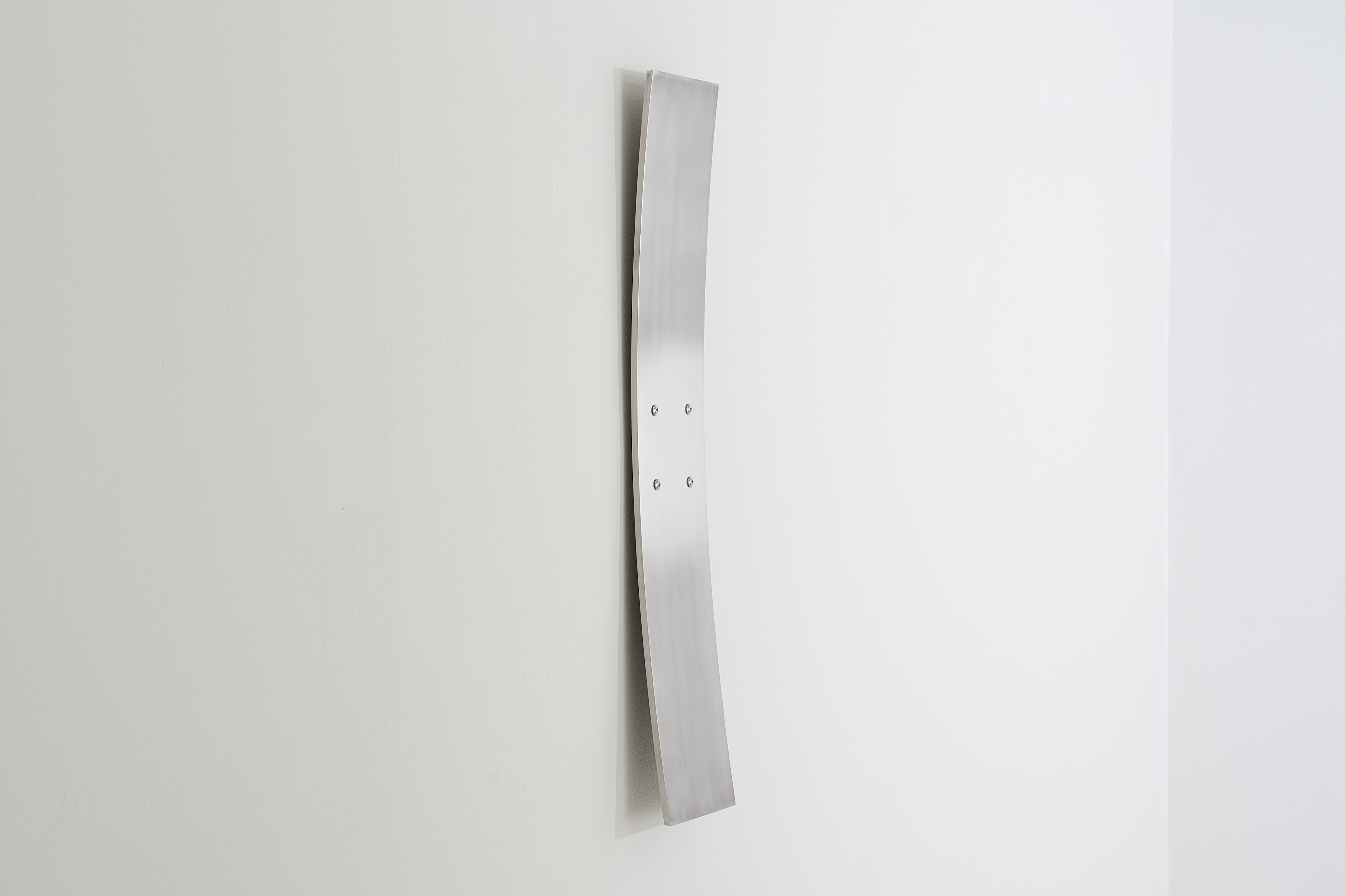
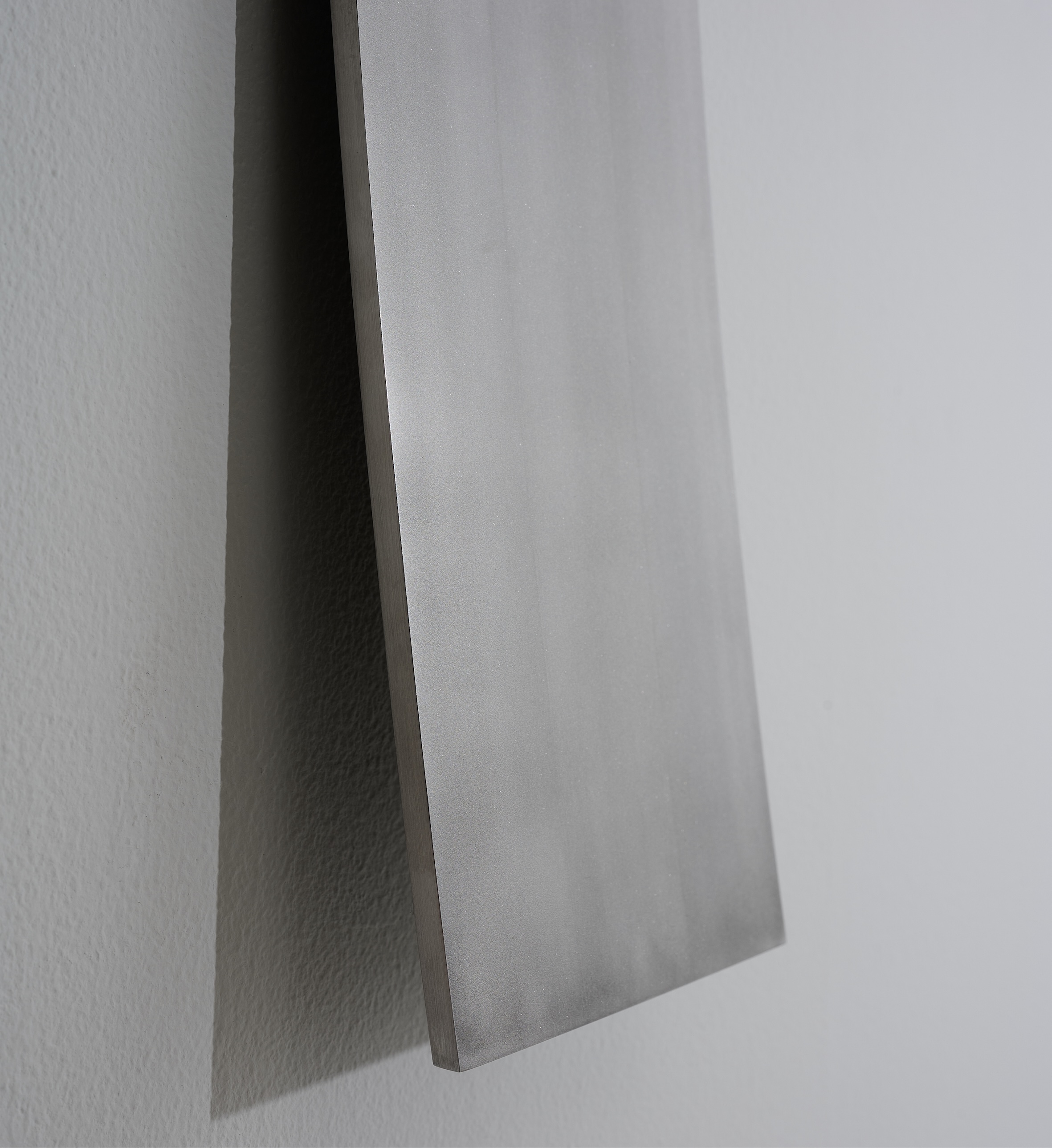
Handle I
Size: H600 × W120 × D12 mm
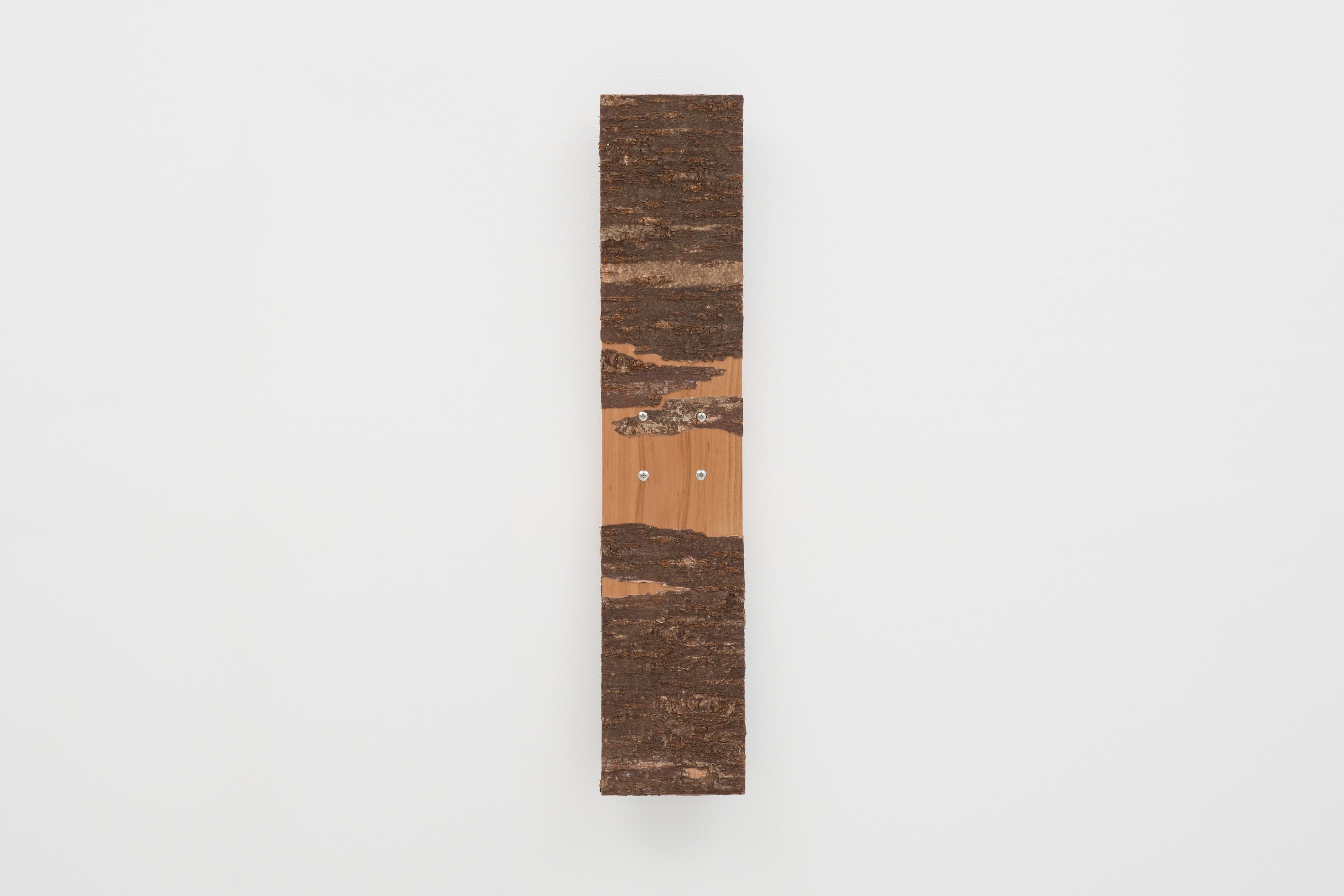
木は自然に変形し、金属はその形状を保つ。同じ動作であっても、素材によって異なる振る舞いが現れる。その差異によって生まれた空間は、結果としてドアハンドルとして機能する。
Wood naturally deforms, while metal retains its original form. Even when subjected to the same action, each material responds according to its own inherent properties. The resulting space functions as a door handle.
Handle II
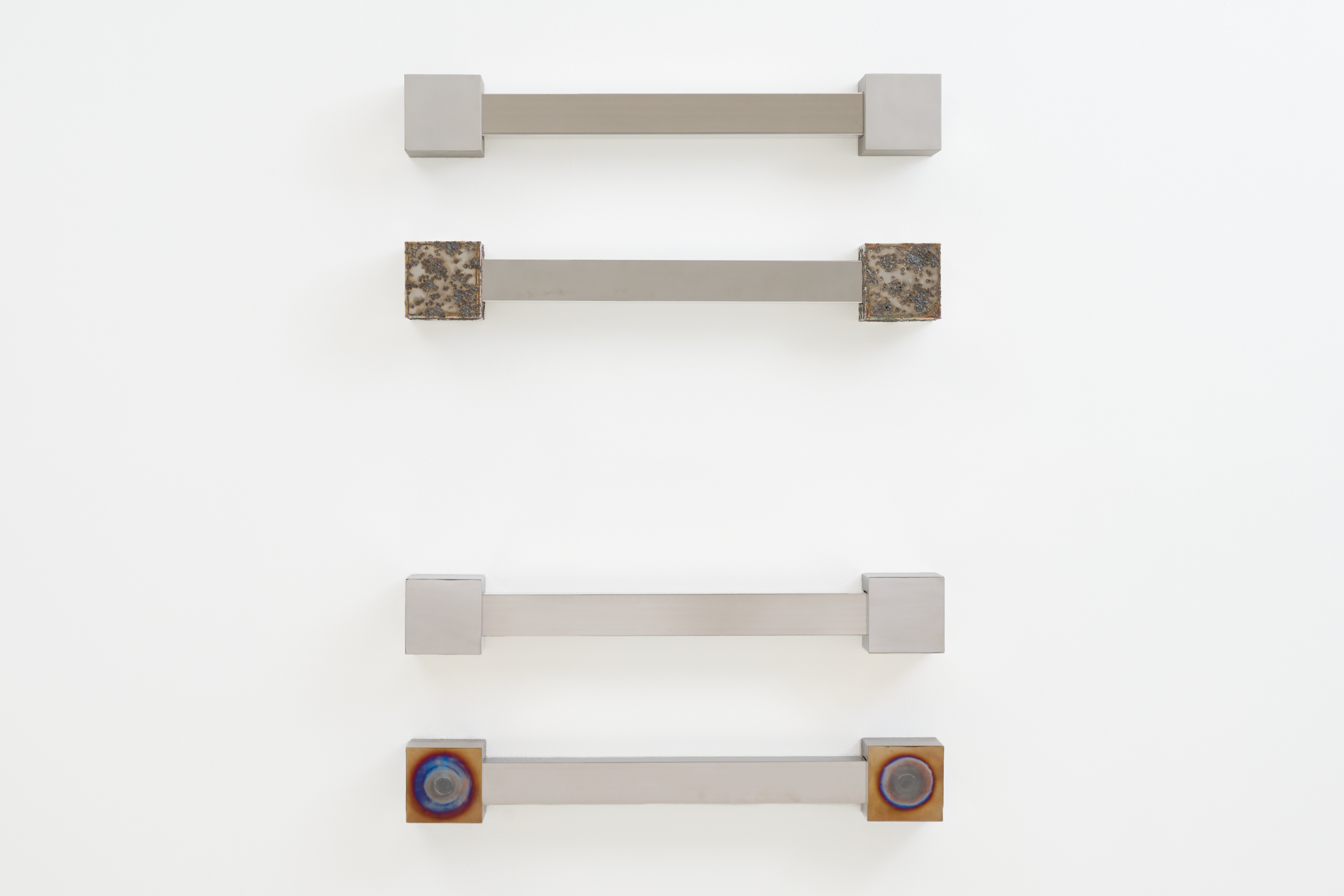
Size: H90 × W625 × D90 mm
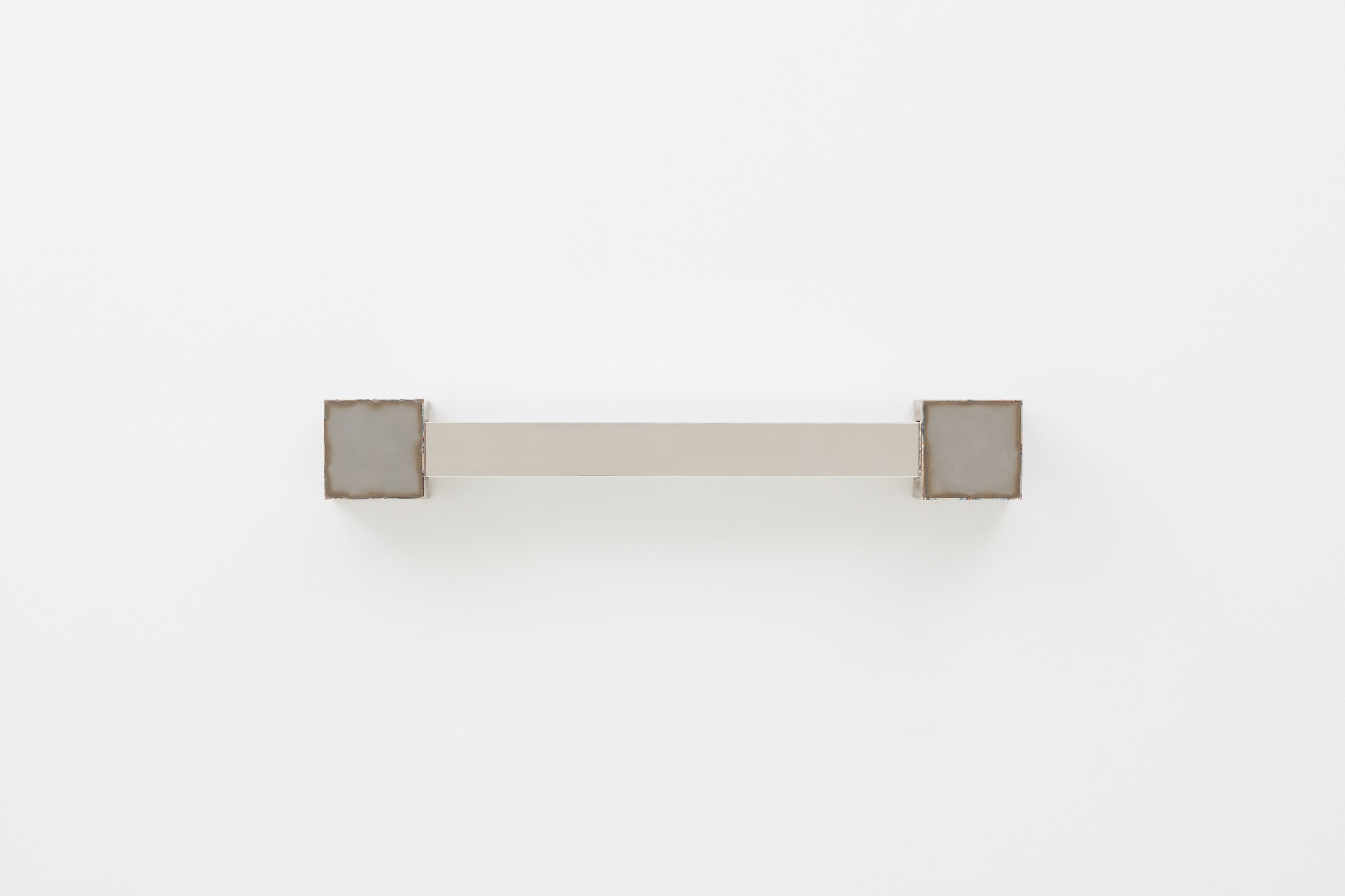
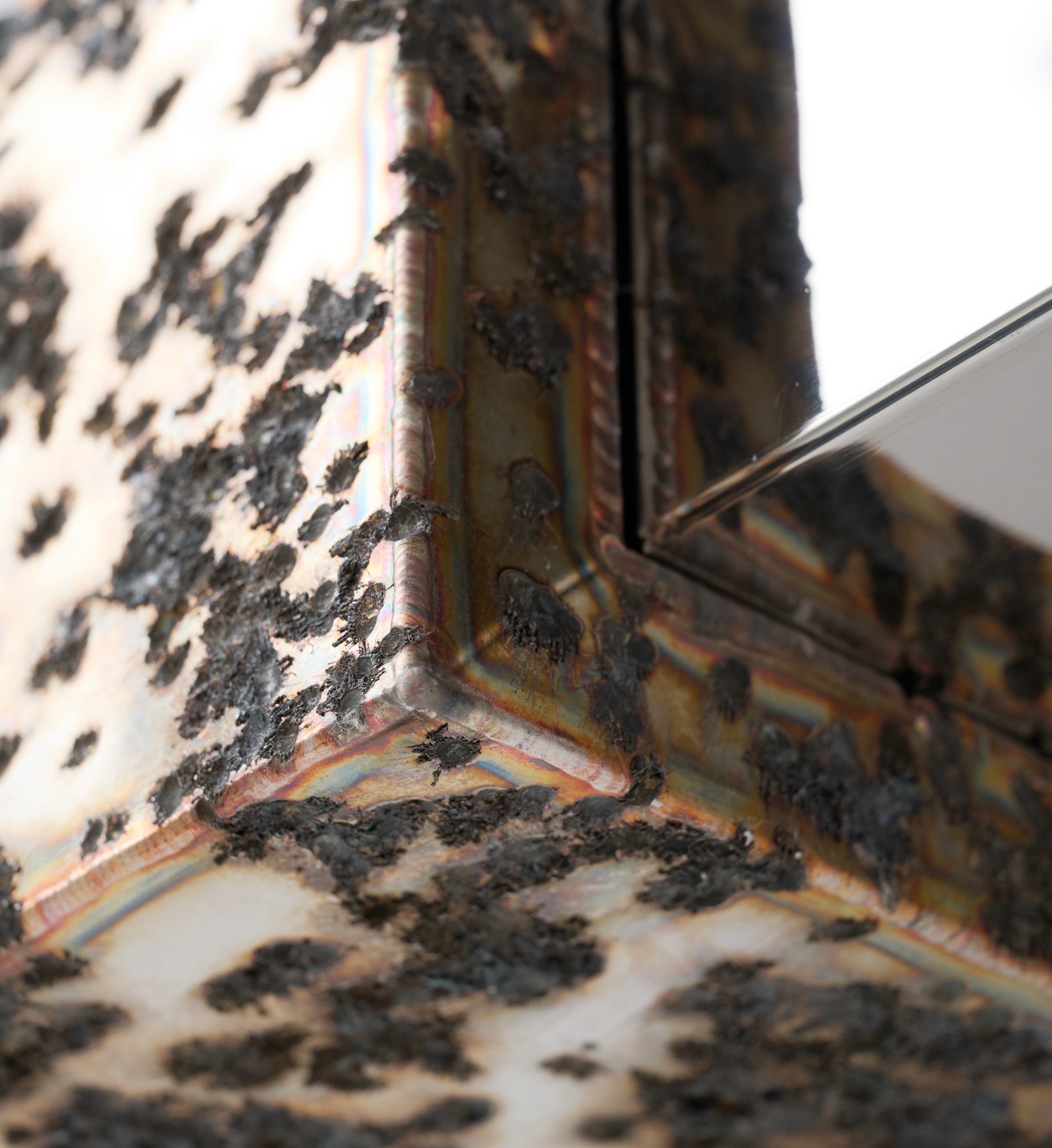
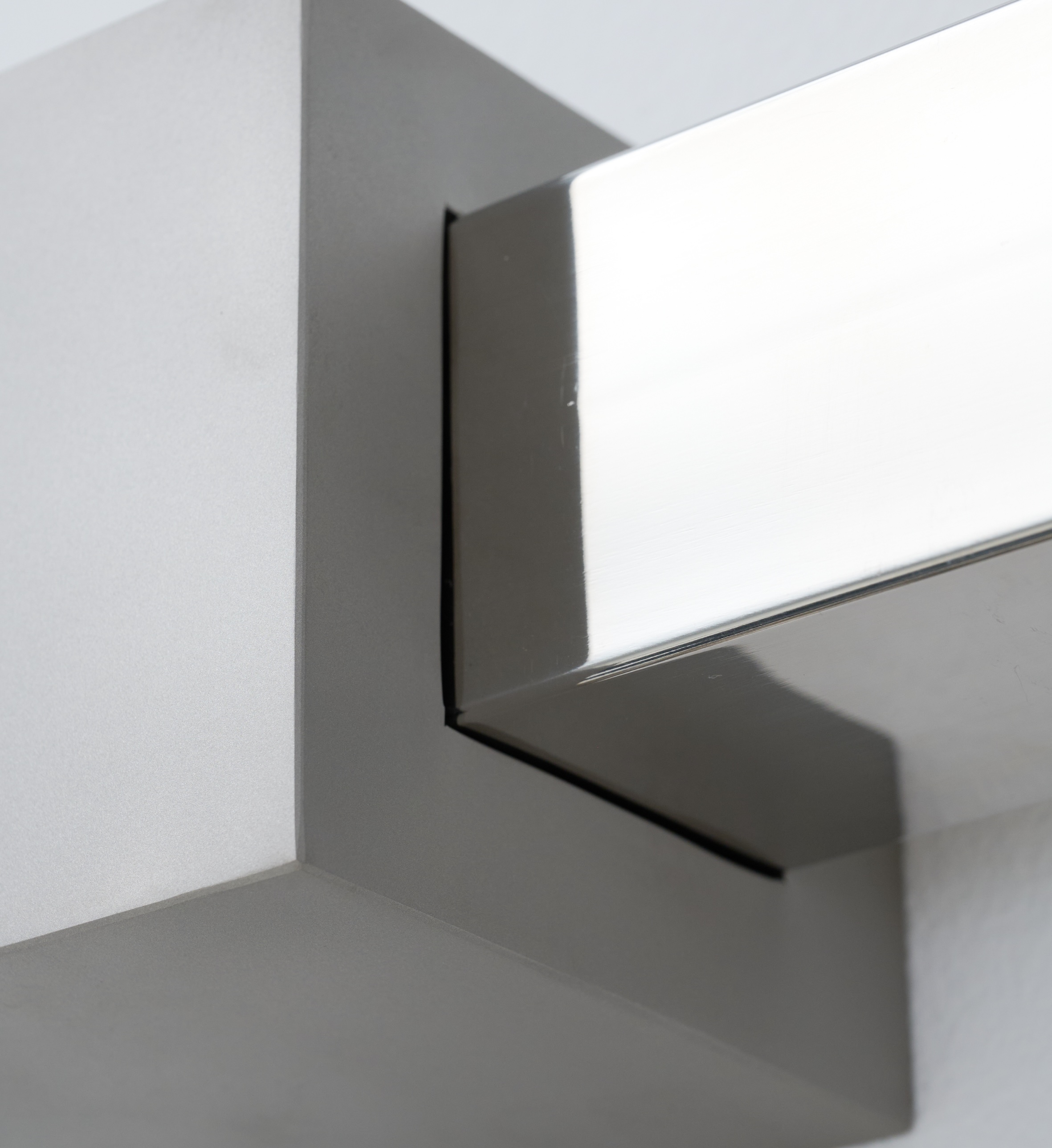
日本の伝統的な木製の閂をモチーフに、ステンレスで再構築。溶接、研磨、鏡面仕上げ、焼き色など、それぞれ異なる加工工程をそのまま表面として残し、一つの素材が持つ多様な表情を引き出している。
Inspired by the traditional Japanese wooden door latch, this object reconstructs its form in stainless steel. The traces of welding, grinding, mirror polishing, and heat coloring are intentionally left visible on the surface, revealing the diverse expressions of a single material.
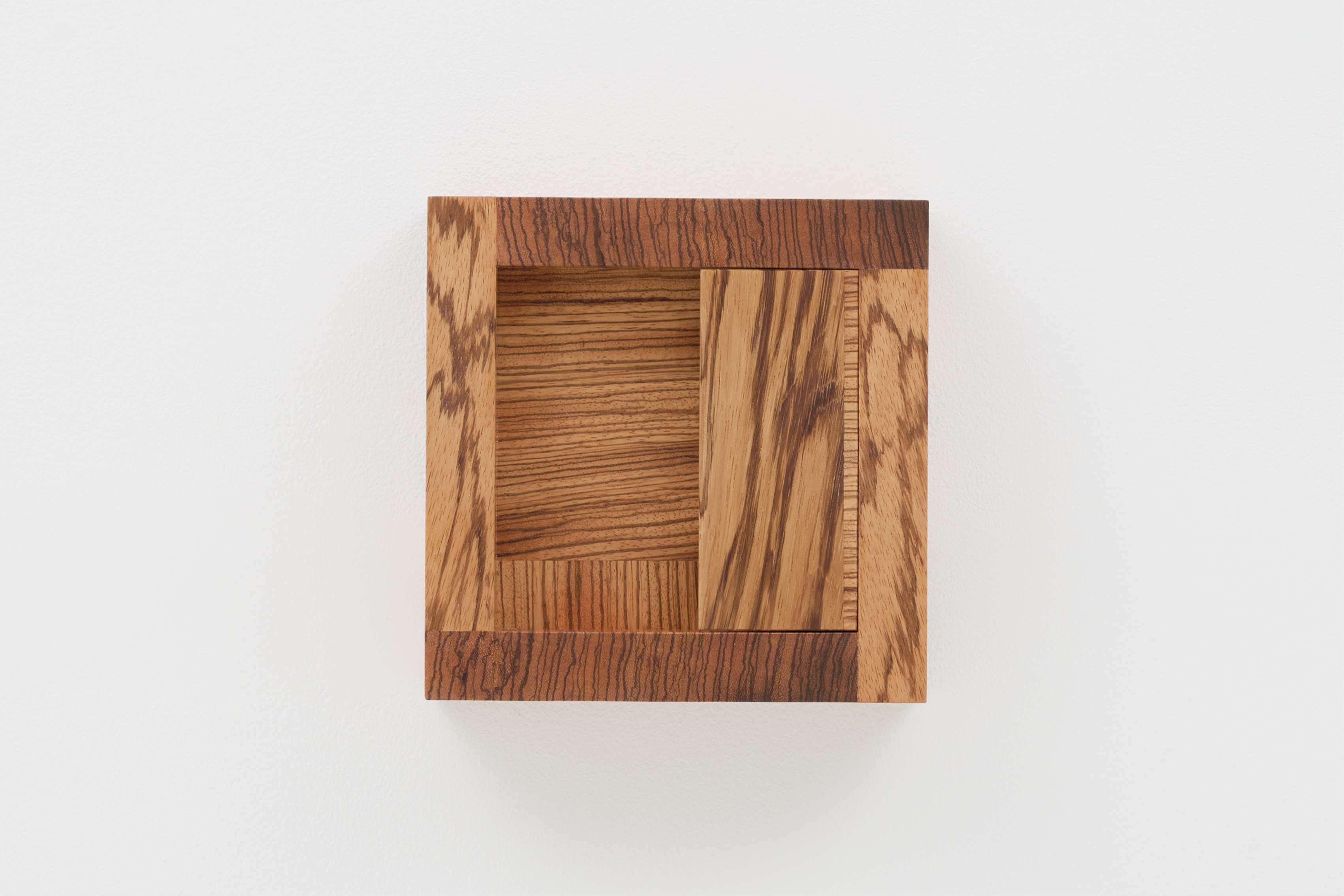
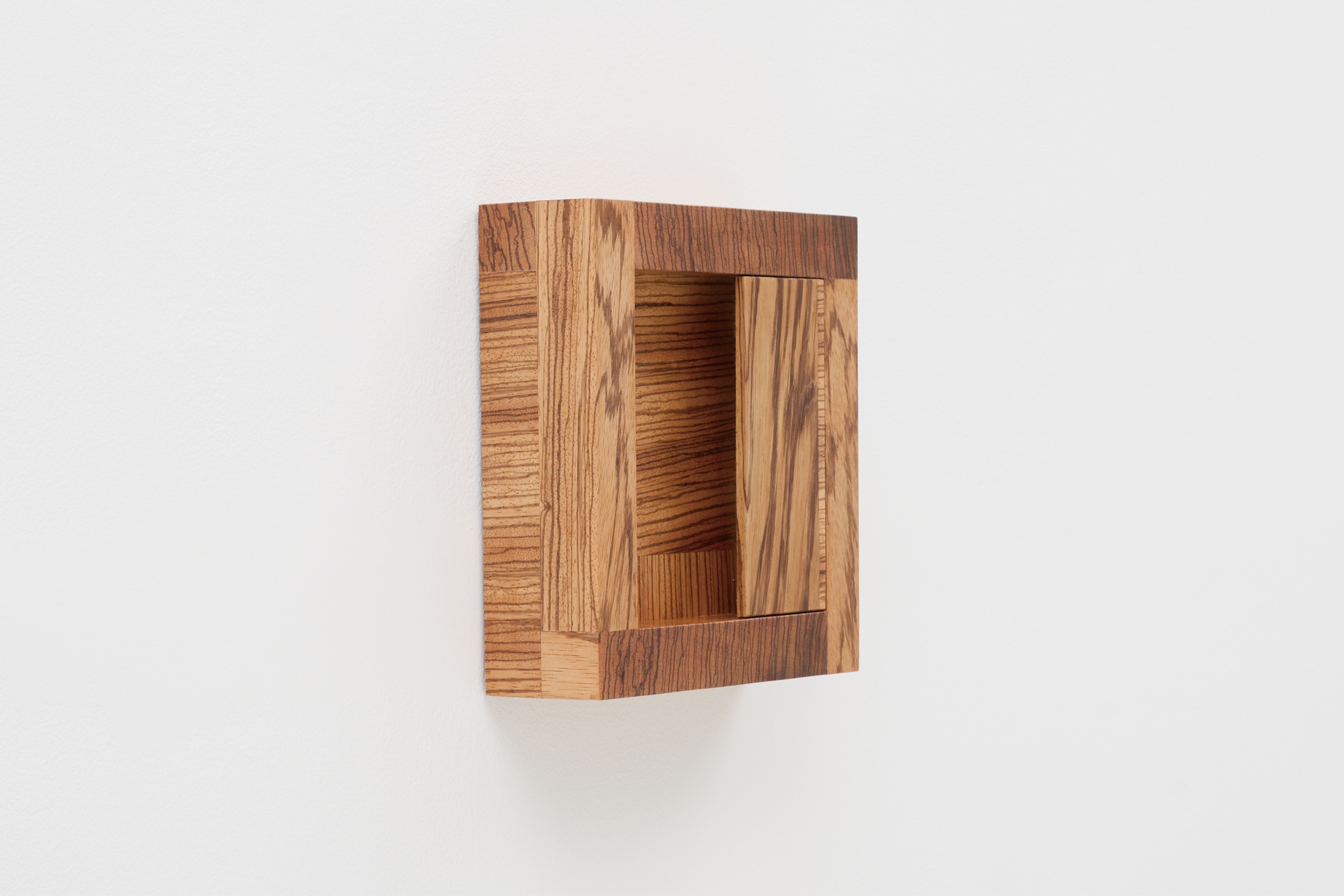
Handle III
Size: H210 × W210 × D60 mm
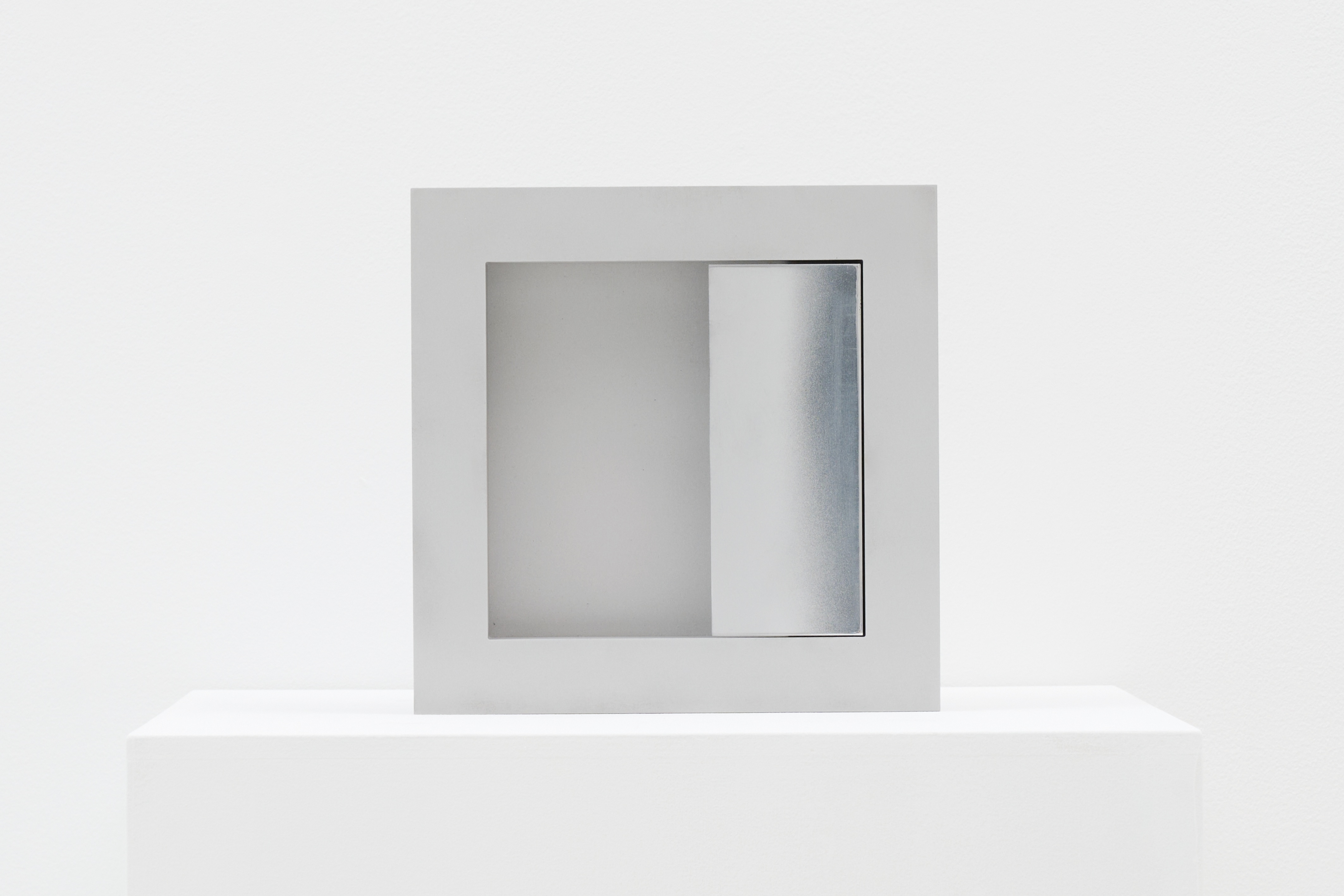
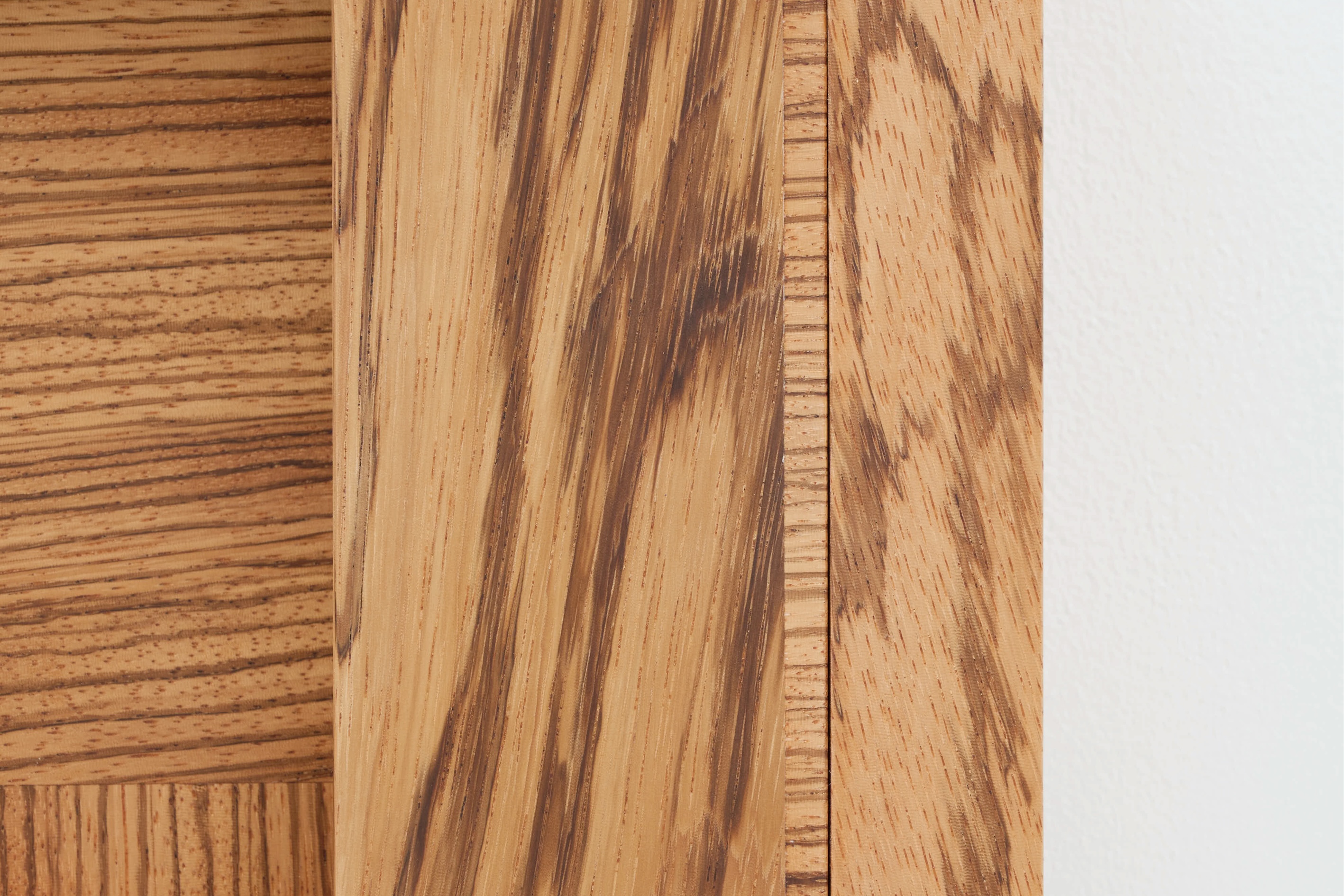
ステンレスとゼブラウッドを用い、本来は壁面の裏側に隠れるドッコ式の構造を表面に置き換え、その構造自体をドアハンドルとして機能させている。
Made from stainless steel and zebrawood, this piece brings a concealed mounting system, typically hidden behind the wall, to the surface, allowing the structure itself to function as the door handle.
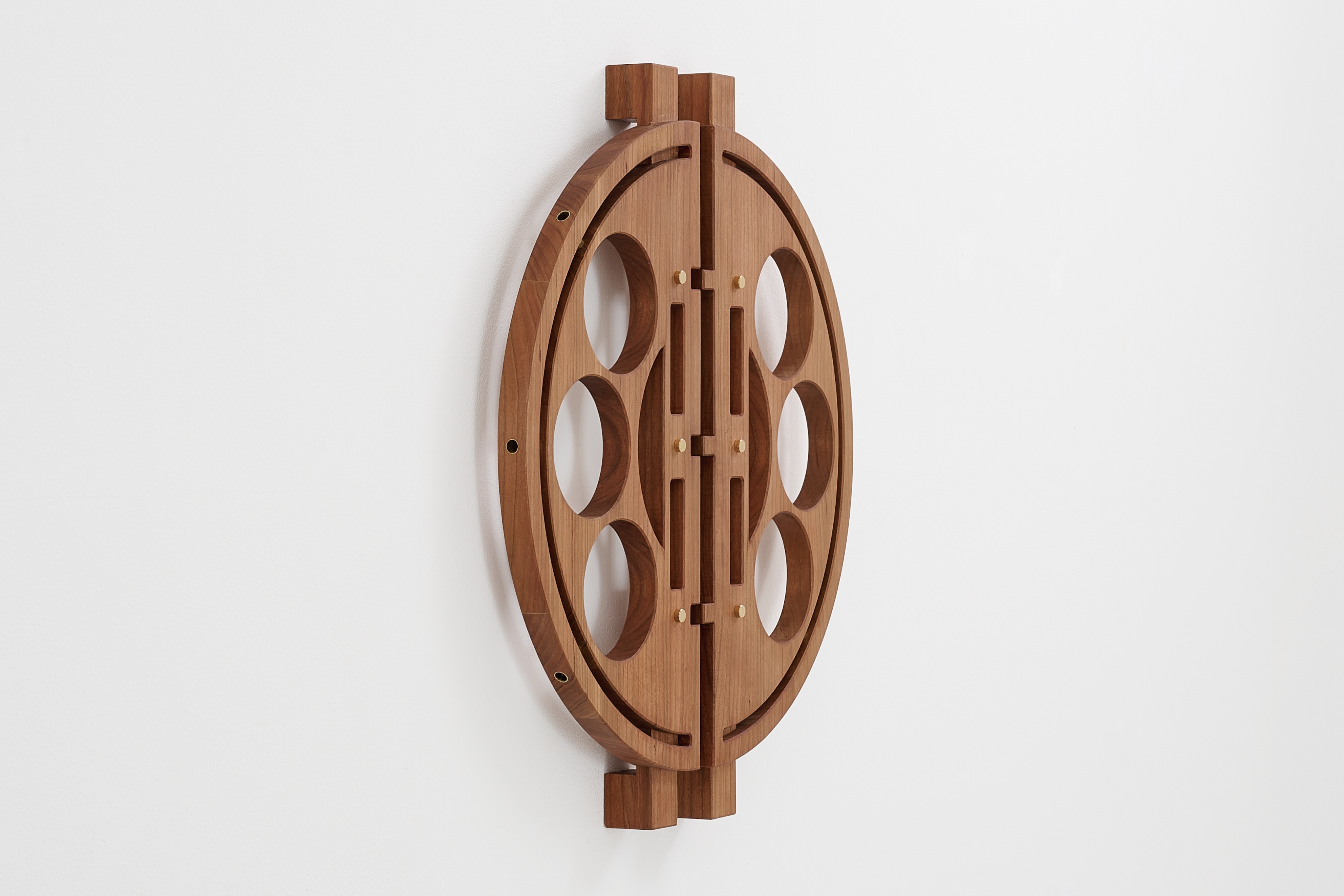
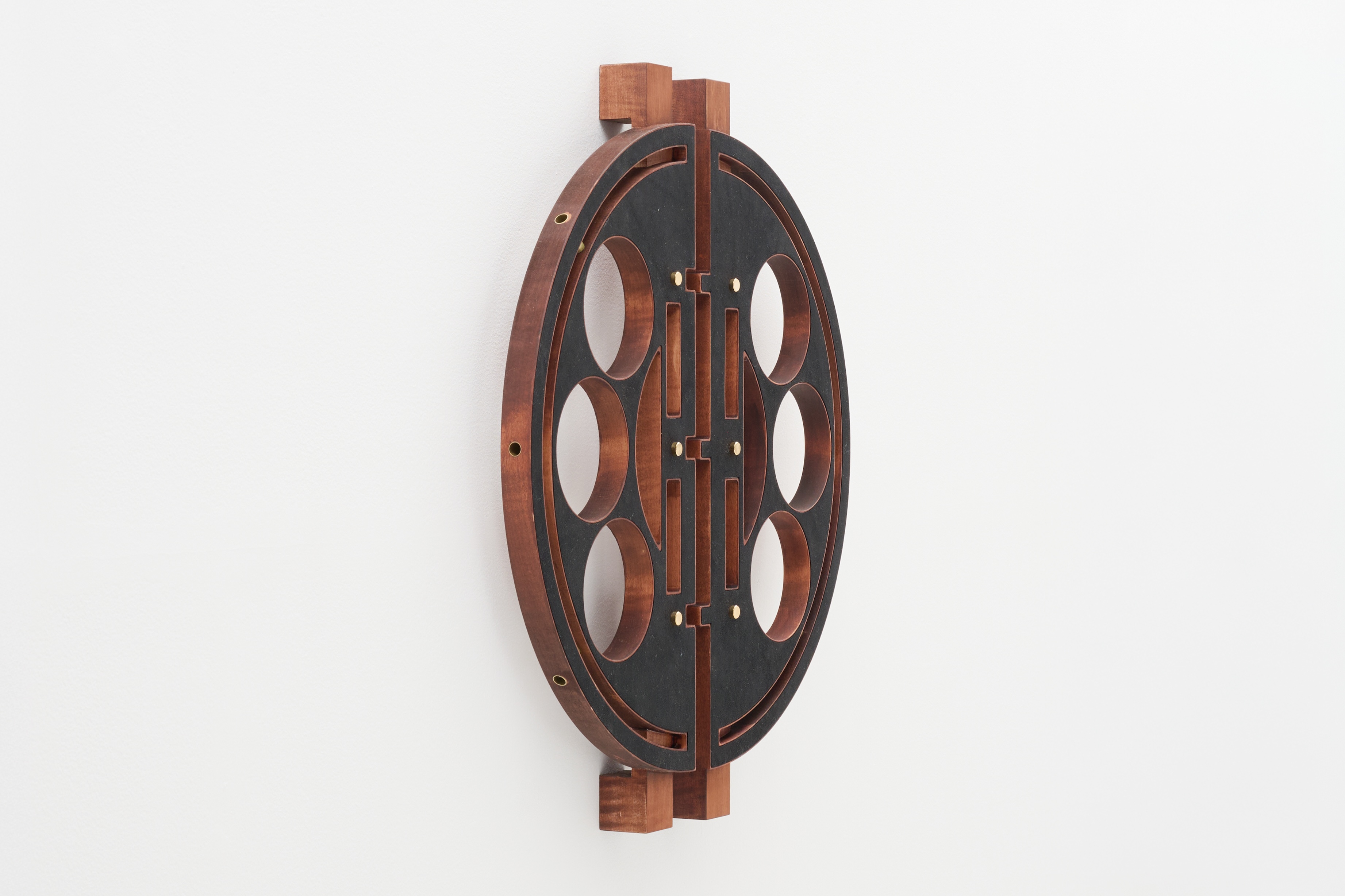
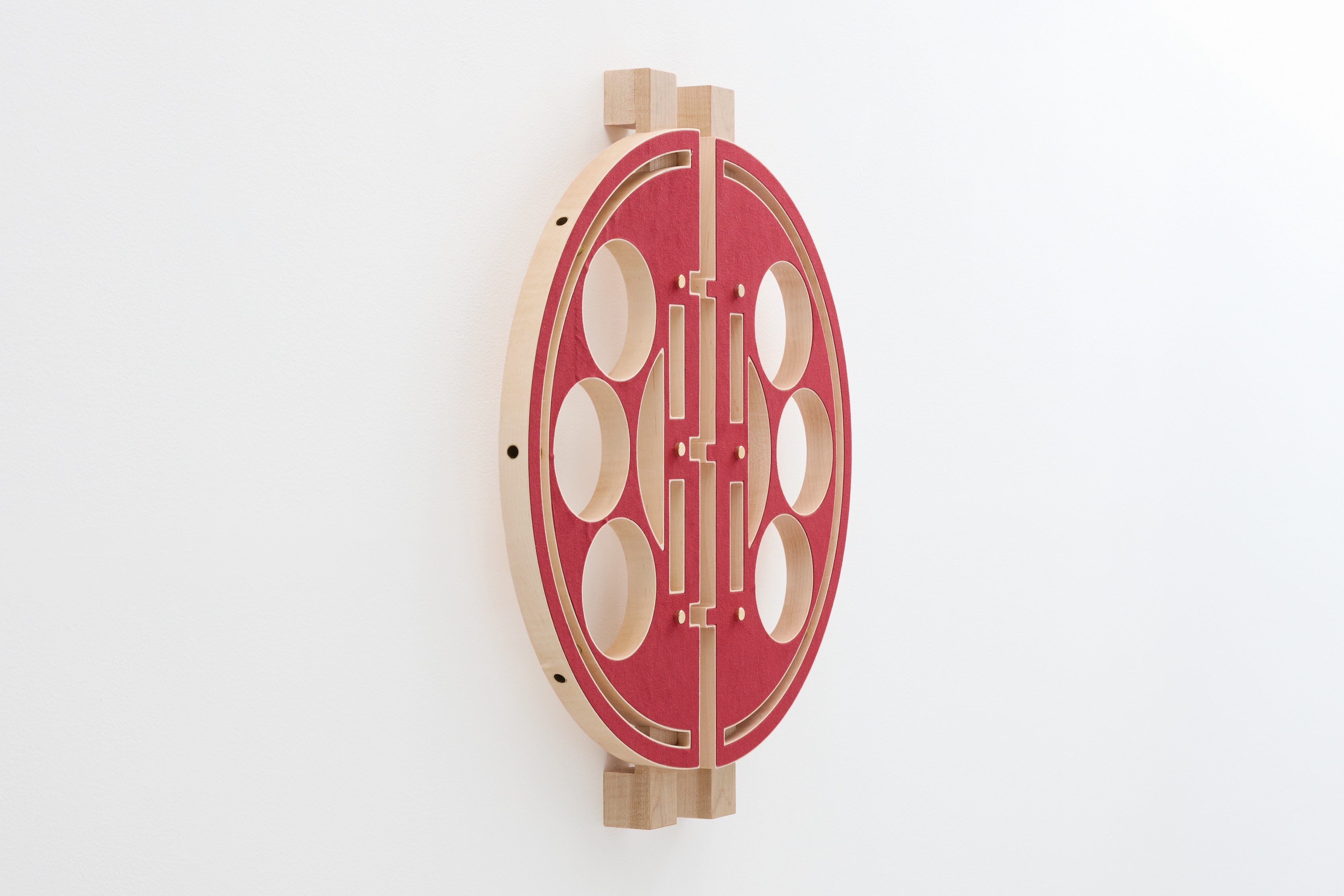
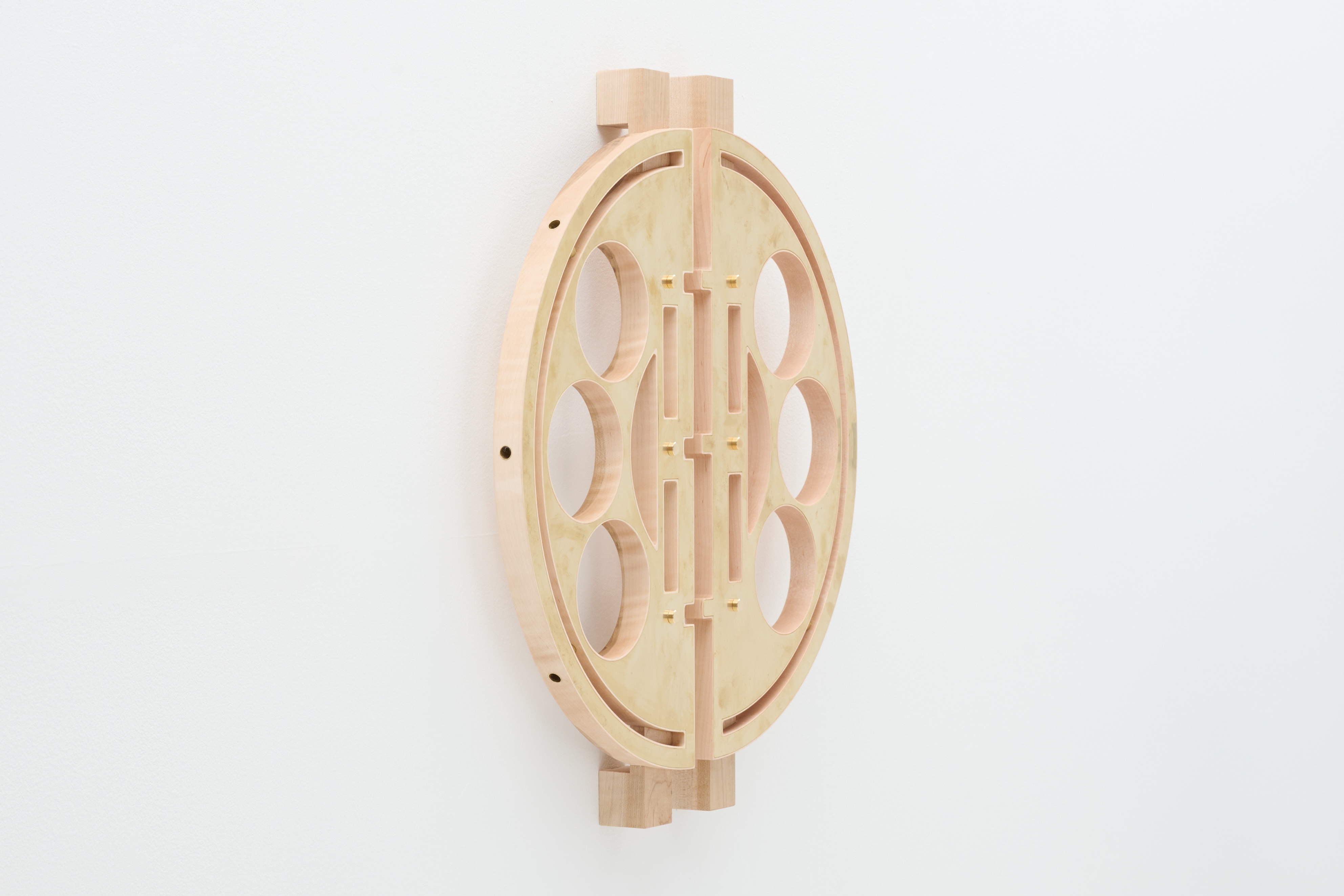
Handle IV
Size: H560 × W480 × D55 mm
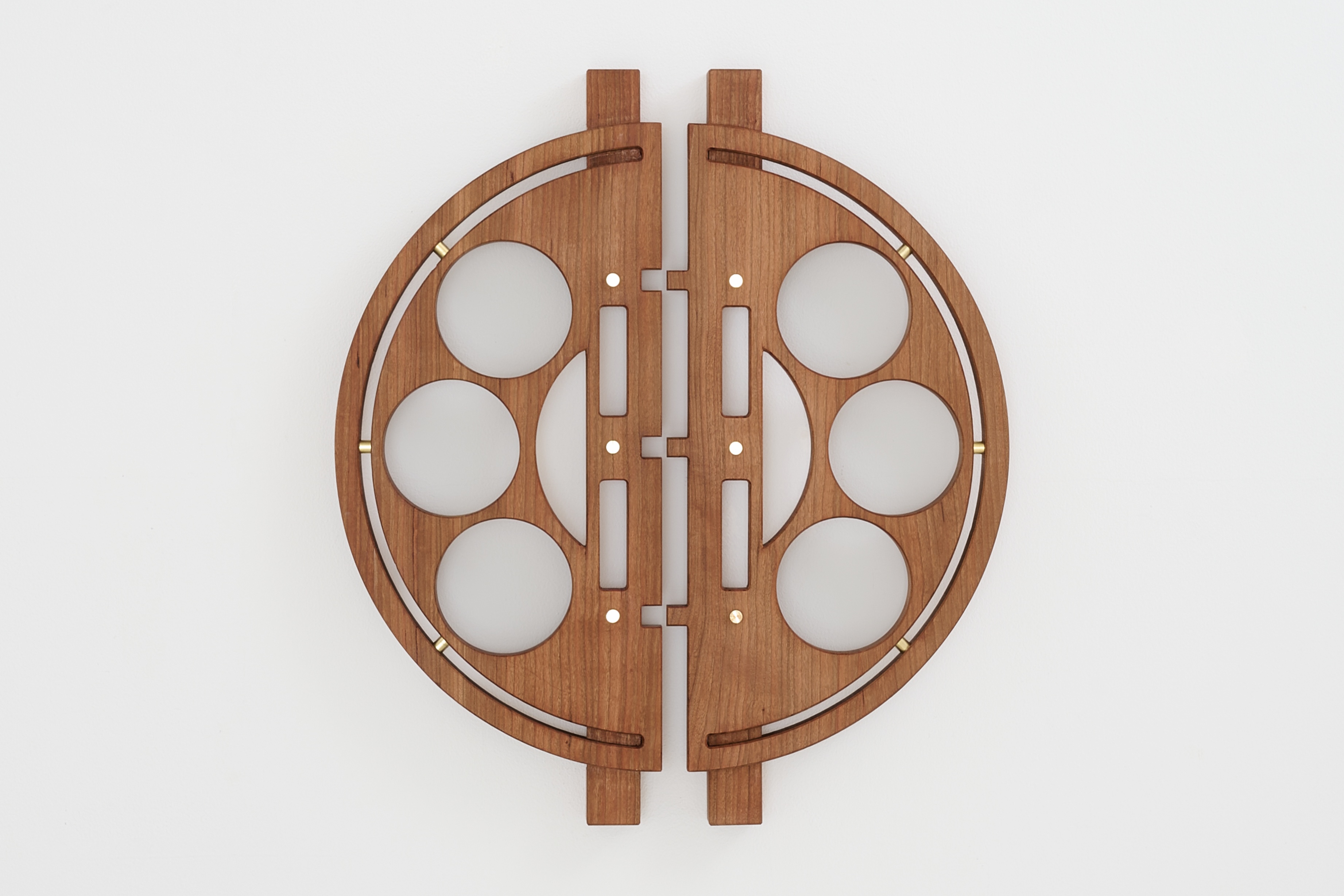
左右対称の構成と円形のフォルムによって、握るという行為を造形へと置き換えた。木材をベースに、スウェードや真鍮を組み合わせ、同一の形態に異なる素材を用いることで、それぞれの素材が持つ表情を引き出している。
Through a symmetrical composition and circular forms, the act of grasping is translated into form. Using wood as a base, combined with brass and microfiber suede, different materials are applied to the same form, revealing the distinct expressions of each material.
© 2026 Yuki Nakajo. All Rights Reserved.